

Clinical Emotional Freedom Techniques (EFT), is a gentle, experiential approach that invites us to slow down and become more present to what is happening within us. While tapping can be used as a general self-soothing or relaxation practice, Clinical EFT is more than tapping to feel better. It is a therapeutic process that combines focused mindful awareness, gentle tapping on acupressure points, and attention to thoughts, emotions, memories, and sensations in the body.
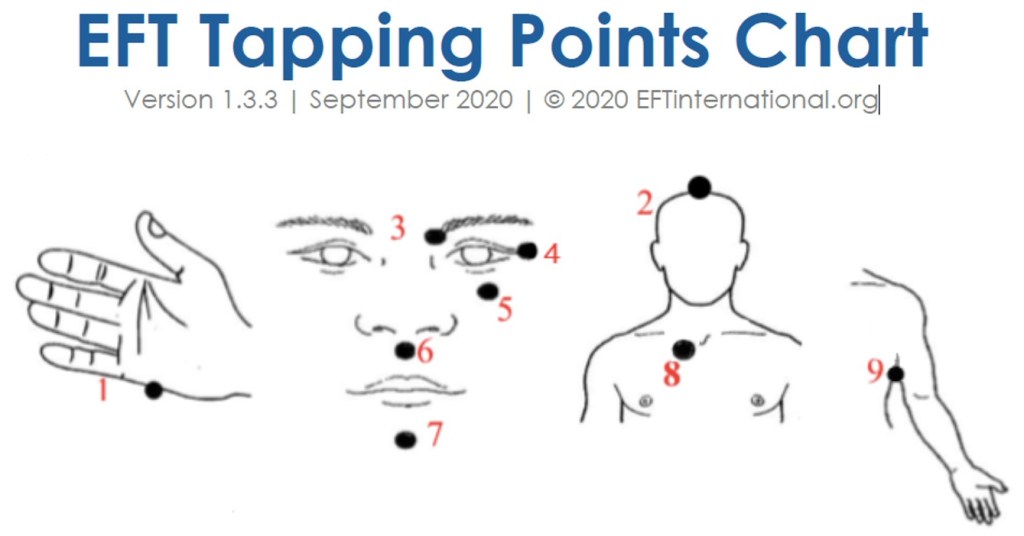
Points
1 Side of Hand
2 Top of Head
3 Eyebrow Point
4 Side of Eye
5 Under Eye
6 Under the Nose
7 Chin Point
8 Collarbone
9 Under the Arm
EFT offers a way of being with difficult experiences rather than trying to change, suppress, or move away from them. This creates space for curiosity, creativity, and the uncertainty that is part of authentic therapeutic work. As we tap while bringing focused attention to an experience, we may notice shifts in emotional intensity, physical sensations, thoughts, images, memories, or our relationship to what we are experiencing. This mindful, embodied process can support greater flexibility in how we respond to stress and help integrate experiences that may have previously felt confusing or difficult to process.
Clinical EFT is a collaborative model. Your voice and choice are central to the process. We begin with a particular focus that feels meaningful to you. From there the process is dynamic and organic, allowing us to respond to what arises moment by moment. Clinical EFT is an adaptive therapeutic modality that can be useful with many concerns, including anxiety, overwhelm, grief, shame, persistent patterns, relationship experiences, pain, and phobias.
Clinical EFT can be used as a trauma-processing model, supporting the processing and integration of experiences that continue to carry emotional or physical charge. You do not need to describe traumatic experiences for meaningful work to take place, and we can adapt the process if something feels overwhelming or too much. With careful pacing and attention to safety, difficult memories and survival responses can be approached while maintaining connection with the present moment.
At its heart, Clinical EFT supports slowing down, turning toward what is present, and cultivating a different relationship with our inner experience with greater awareness, choice, and connection. And through this, change can emerge.
Clinical EFT has a growing research base, including clinical trials and systematic reviews, with research examining its use across areas such as anxiety, trauma-related symptoms, depression, pain, and other forms of distress. I approach EFT as an evidence-informed trauma-processing approach while remaining attentive to the individual experience of each client.
Select Resources
- EFT International – Articles and News
- EFT International – Science Research
- EFT Universe – Research
- Theoretical and clinical insights into the psychological mechanisms and active ingredients of emotional freedom techniques (2026).
- Emotional freedom techniques for treating post traumatic stress disorder: an updated systematic review and meta-analysis (2023)
- Clinical EFT as an evidence-based practice for the treatment of psychological and physiological conditions: A systematic review (2022)
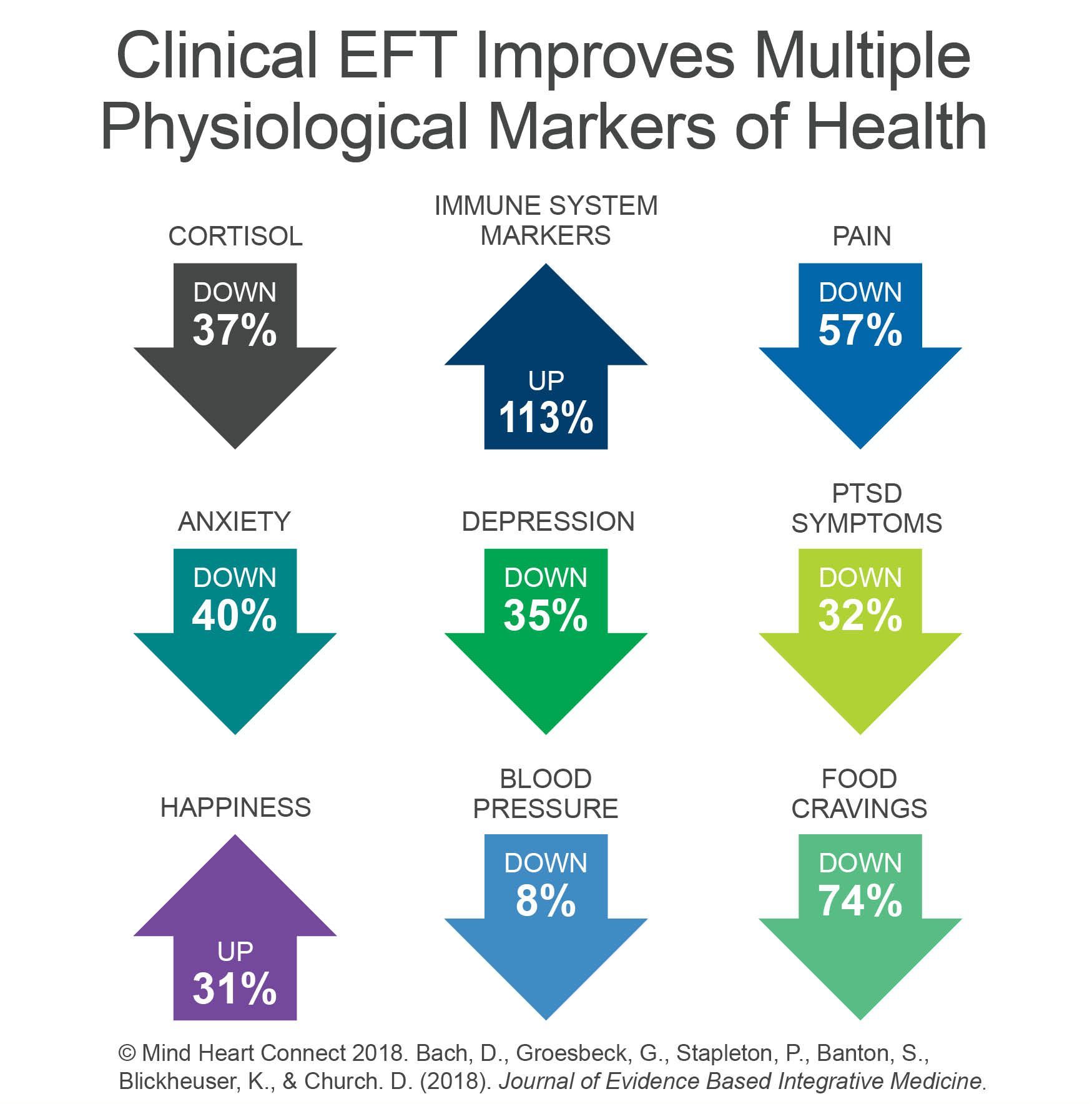
- Clinical EFT (Emotional Freedom Techniques) Improves Multiple Physiological Markers of Health (2019)

